Non-fungible tokens (NFTs) are rising in demand, and some brands are already generating great results in their campaigns and providing a unique experience to customers. As the hype around NFTs continues, businesses need to understand how they can benefit.
What is an NFT?
An NFT is a valuable digital asset created using blockchain. Unlike cryptocurrencies, NFTs are not mutually interchangeable as each NFT represents a different asset with a different value. Hence, an NFT verifies the authenticity of a non-fungible asset. This means that the purchaser of the asset/product can only use a product. Unlike other digital products, an NFT can’t be duplicated and sold. This is because the non-fungible asset is made into a token with a digital certificate of ownership, creating authenticity and credibility. NFTs could include videos, music, physical products, services, documents, artwork, and even memes.
A non-fungible asset’s value depends on various factors, such as underlying value, ownership history, perception of the buyer, future value, etc.
How NFTs Have Been Used
So far, some industries are already reaping benefits from NFTs. Various cases of NFTs can be found in gaming, music, fashion, sports, and virtual real estate.
The growth of NFTs has been attributed to the fact that humans like to collect things, and since NFTs are designed to be scarce digital assets, this contributes to the high prices. According to research conducted in March 2021 by Morning Consult, a global decision intelligence company, about half of the people who identified themselves as avid physical collectors were interested in NFTs. In addition, users have more control over the asset bought because it cannot be used in any other way or duplicated, making it more valuable.
With such news making the headlines, businesses may wonder how they can benefit from NFTs.
How Can a Business Benefit from NFTs?
Businesses still hesitant about adopting new technologies should start considering creating NFTs that align with their brand image. Below are some ways in which a business can benefit:
1. Brand Visibility
Aside from digital marketing, NFTs provide another way businesses and corporations can drive attention to their brand. For instance, by creating a digital version of your products, you expose it to NFT enthusiasts, some of who might not be aware of your products. NFTs also can be incorporated as part of your brand storytelling, creating unique experiences for your customers, consequently increasing consumer engagements.
2. Authenticity
Many businesses undergo massive losses of revenue due to counterfeit products. With NFTs, businesses can ascertain the authenticity of their products and services. A digital certificate is issued with every transaction and a record is kept on the blockchain. A customer can check the authenticity since the blockchain can be traced to the original seller.
3. Additional Revenue Stream
Businesses can use NFTs as an additional source of income by selling digital forms of their products or services. One way to do this is by creating an early access opportunity before the official product launches, creating a buzz and ensuring the NFT value will rise.
4. Customer Loyalty Program
The versatile nature of NFTs makes them ideal for use in loyalty programs. The tokens can be used as medals for loyal clients or as membership tokens.
5. Prevent Ticket Scams
Many people fall victim to online ticket scams where they buy fake discounted tickets or duplicate tickets of an original event ticket. The money collected doesn’t go to the business, which also affects the event organizers. Customers also risk their credit card information being stolen by scammers. However, turning a ticket into an NFT makes it easy to verify its authenticity and even prevent ticket black markets.
6. Managing Supply Chain
NFTs are positively disrupting the supply chain. By the use of blockchain technology, it’s now easy to trace the entire process of a product lifecycle, from raw material, transportation, manufacturing, and distribution up to the end consumer. Hence, businesses interested in improving transparency and accountability can embrace NFTs to automate their supply chain.
Conclusion
NFT technology is relatively new, and its practical use is still limited. However, the fact that people are willing to spend on them is reason enough why any business should consider leveraging NFTs in its marketing strategies to help boost brand engagement and drive sales.
What Are NFTs and How Can Businesses Benefit?
August 1, 2022 · Blog, Uncategorized, What’s New in Technology
⏱ 4 min read
Non-fungible tokens (NFTs) are rising in demand, and some brands are already generating great results in their campaigns and providing a unique experience to customers. As the hype around NFTs continues, businesses need to understand how they can benefit.
What is an NFT?
An NFT is a valuable digital asset created using blockchain. Unlike cryptocurrencies, NFTs are not mutually interchangeable as each NFT represents a different asset with a different value. Hence, an NFT verifies the authenticity of a non-fungible asset. This means that the purchaser of the asset/product can only use a product. Unlike other digital products, an NFT can’t be duplicated and sold. This is because the non-fungible asset is made into a token with a digital certificate of ownership, creating authenticity and credibility. NFTs could include videos, music, physical products, services, documents, artwork, and even memes.
A non-fungible asset’s value depends on various factors, such as underlying value, ownership history, perception of the buyer, future value, etc.
How NFTs Have Been Used
So far, some industries are already reaping benefits from NFTs. Various cases of NFTs can be found in gaming, music, fashion, sports, and virtual real estate.
The growth of NFTs has been attributed to the fact that humans like to collect things, and since NFTs are designed to be scarce digital assets, this contributes to the high prices. According to research conducted in March 2021 by Morning Consult, a global decision intelligence company, about half of the people who identified themselves as avid physical collectors were interested in NFTs. In addition, users have more control over the asset bought because it cannot be used in any other way or duplicated, making it more valuable.
With such news making the headlines, businesses may wonder how they can benefit from NFTs.
How Can a Business Benefit from NFTs?
Businesses still hesitant about adopting new technologies should start considering creating NFTs that align with their brand image. Below are some ways in which a business can benefit:
1. Brand Visibility
Aside from digital marketing, NFTs provide another way businesses and corporations can drive attention to their brand. For instance, by creating a digital version of your products, you expose it to NFT enthusiasts, some of who might not be aware of your products. NFTs also can be incorporated as part of your brand storytelling, creating unique experiences for your customers, consequently increasing consumer engagements.
2. Authenticity
Many businesses undergo massive losses of revenue due to counterfeit products. With NFTs, businesses can ascertain the authenticity of their products and services. A digital certificate is issued with every transaction and a record is kept on the blockchain. A customer can check the authenticity since the blockchain can be traced to the original seller.
3. Additional Revenue Stream
Businesses can use NFTs as an additional source of income by selling digital forms of their products or services. One way to do this is by creating an early access opportunity before the official product launches, creating a buzz and ensuring the NFT value will rise.
4. Customer Loyalty Program
The versatile nature of NFTs makes them ideal for use in loyalty programs. The tokens can be used as medals for loyal clients or as membership tokens.
5. Prevent Ticket Scams
Many people fall victim to online ticket scams where they buy fake discounted tickets or duplicate tickets of an original event ticket. The money collected doesn’t go to the business, which also affects the event organizers. Customers also risk their credit card information being stolen by scammers. However, turning a ticket into an NFT makes it easy to verify its authenticity and even prevent ticket black markets.
6. Managing Supply Chain
NFTs are positively disrupting the supply chain. By the use of blockchain technology, it’s now easy to trace the entire process of a product lifecycle, from raw material, transportation, manufacturing, and distribution up to the end consumer. Hence, businesses interested in improving transparency and accountability can embrace NFTs to automate their supply chain.
Conclusion
NFT technology is relatively new, and its practical use is still limited. However, the fact that people are willing to spend on them is reason enough why any business should consider leveraging NFTs in its marketing strategies to help boost brand engagement and drive sales.
Disclaimer
These articles provide general information on tax, accounting, and financial topics for small businesses and individuals. They are educational in nature and are not specific legal, accounting, financial, tax, or other professional advice, and should not be relied upon as such. This content was prepared by Service2Client and may have been reviewed or edited by the website owner for accuracy and compliance. Look for a trust mark below for verification details. No representation is made that any approach described will achieve a particular result, and no regulatory or professional body has reviewed or endorsed this content. Because each situation is different, readers should consult a qualified professional about their specific circumstances before acting. Images accompanying these articles are protected by copyright and may not be copied or reused.
Today, businesses have to grapple with vast amounts of data from different sources, including emails, mailing lists, customer orders, system logs, mobile apps, social media networks, etc. This data is crucial to businesses in various ways. When analyzed, a business can identify operational issues, personalize the customer experience and manage supply chains – all contributing to better decision-making.
However, big data also has challenges, especially regarding its storage due to size and other factors such as collection speed, processing, retrieval and format. This becomes more complicated as the data keeps growing with time and cannot be stored in traditional storage devices, necessitating a need for facilities that store and process the data efficiently.
Depending on the business type, a choice can be made between storing data in a warehouse or in the cloud. A data warehouse is a building facility that stores and processes data for a business. This in-house data storage offers the advantage of speed. However, when more space is needed, it will be necessary to acquire more physical storage.
On the other hand, a business may choose to opt for cloud storage. Cloud storage offers the benefit of convenience, accessibility, cost and maintenance, which the service provider handles.
Considerations in Storing Big Data
Regardless of the means a business chooses to store its data, there are various issues to consider:
Understand your data – before choosing a data storage method, it is essential to first understand the company’s data in terms of the type of data collected, quantity, storage period, retrieval speeds, use cases, etc. This helps choose a data management system that can handle the data efficiently.
Data governance – with so much data collected and with data growing exponentially, it is likely that users can be lost in a sea of data. Therefore, a business should define a strategy that aligns with business goals to avoid collecting unnecessary data that takes up storage space.
Data integration tools – data is collected from multiple sources, and it is necessary to have adequate integration tools that allow for different file formats.
Cost – it is difficult to determine the actual cost of storing data. Hence, a business should not base the cost decision on the upfront cost alone. This is because other factors are involved, including operating costs, the need for scalability, training or hiring users, new technologies, and the cost of backup. Businesses must evaluate whether the initial investment in the best data storage technologies is worthwhile by looking at the potential long-term results.
The data storage provider – before settling on a service provider, thorough research should be conducted. Some considerations when choosing from a variety of providers should include the availability of technical support to solve problems quickly, scalability, fault tolerance, pricing models, and reviews from existing customers.
Disaster recovery plan – ensure it is possible to recover data quickly. This is crucial with attacks that deny access to data without paying a ransom. A business should consider keeping secure offsite backups.
Enhanced security is required – the expanding IoT network adds to the number of endpoints and devices storing or retrieving data. Therefore, big data comes with a huge responsibility to preserve data in an environment where hackers are pervasive and never stop coming up with new ways to break into systems. It is recommended to choose the safest option even when it costs more, as data security is vital for the survival of any business.
Employee training – big data may require a business to hire new staff to help in analytics, such as data scientists. Regardless, a business should consider training existing employees on handling big data and using new tools that will be introduced. Big data also requires collaboration among different departments in an organization. Data-literate employees can better interpret data, ask the right questions, and generally make data-driven decisions.
Compliance with data security regulations – this especially applies to highly regulated industries such as finance or health. It is essential to ensure that even when outsourcing data storage and management, the service provider adheres to compliance regulations to avoid heavy fines that come with a violation.
Big Data Storage: What You Need to Know
July 1, 2022 · Blog, Uncategorized, What’s New in Technology
⏱ 4 min read
Today, businesses have to grapple with vast amounts of data from different sources, including emails, mailing lists, customer orders, system logs, mobile apps, social media networks, etc. This data is crucial to businesses in various ways. When analyzed, a business can identify operational issues, personalize the customer experience and manage supply chains – all contributing to better decision-making.
However, big data also has challenges, especially regarding its storage due to size and other factors such as collection speed, processing, retrieval and format. This becomes more complicated as the data keeps growing with time and cannot be stored in traditional storage devices, necessitating a need for facilities that store and process the data efficiently.
Depending on the business type, a choice can be made between storing data in a warehouse or in the cloud. A data warehouse is a building facility that stores and processes data for a business. This in-house data storage offers the advantage of speed. However, when more space is needed, it will be necessary to acquire more physical storage.
On the other hand, a business may choose to opt for cloud storage. Cloud storage offers the benefit of convenience, accessibility, cost and maintenance, which the service provider handles.
Considerations in Storing Big Data
Regardless of the means a business chooses to store its data, there are various issues to consider:
Understand your data – before choosing a data storage method, it is essential to first understand the company’s data in terms of the type of data collected, quantity, storage period, retrieval speeds, use cases, etc. This helps choose a data management system that can handle the data efficiently.
Data governance – with so much data collected and with data growing exponentially, it is likely that users can be lost in a sea of data. Therefore, a business should define a strategy that aligns with business goals to avoid collecting unnecessary data that takes up storage space.
Data integration tools – data is collected from multiple sources, and it is necessary to have adequate integration tools that allow for different file formats.
Cost – it is difficult to determine the actual cost of storing data. Hence, a business should not base the cost decision on the upfront cost alone. This is because other factors are involved, including operating costs, the need for scalability, training or hiring users, new technologies, and the cost of backup. Businesses must evaluate whether the initial investment in the best data storage technologies is worthwhile by looking at the potential long-term results.
The data storage provider – before settling on a service provider, thorough research should be conducted. Some considerations when choosing from a variety of providers should include the availability of technical support to solve problems quickly, scalability, fault tolerance, pricing models, and reviews from existing customers.
Disaster recovery plan – ensure it is possible to recover data quickly. This is crucial with attacks that deny access to data without paying a ransom. A business should consider keeping secure offsite backups.
Enhanced security is required – the expanding IoT network adds to the number of endpoints and devices storing or retrieving data. Therefore, big data comes with a huge responsibility to preserve data in an environment where hackers are pervasive and never stop coming up with new ways to break into systems. It is recommended to choose the safest option even when it costs more, as data security is vital for the survival of any business.
Employee training – big data may require a business to hire new staff to help in analytics, such as data scientists. Regardless, a business should consider training existing employees on handling big data and using new tools that will be introduced. Big data also requires collaboration among different departments in an organization. Data-literate employees can better interpret data, ask the right questions, and generally make data-driven decisions.
Compliance with data security regulations – this especially applies to highly regulated industries such as finance or health. It is essential to ensure that even when outsourcing data storage and management, the service provider adheres to compliance regulations to avoid heavy fines that come with a violation.
Disclaimer
These articles provide general information on tax, accounting, and financial topics for small businesses and individuals. They are educational in nature and are not specific legal, accounting, financial, tax, or other professional advice, and should not be relied upon as such. This content was prepared by Service2Client and may have been reviewed or edited by the website owner for accuracy and compliance. Look for a trust mark below for verification details. No representation is made that any approach described will achieve a particular result, and no regulatory or professional body has reviewed or endorsed this content. Because each situation is different, readers should consult a qualified professional about their specific circumstances before acting. Images accompanying these articles are protected by copyright and may not be copied or reused.
Cash flow awareness is vital in running the day-to-day activities of a business. Keeping track of the inflows and outflows helps a company make better plans and decisions, such as the right time to expand. Cash flow knowledge reveals where a business is spending money and can protect business relations, among other benefits. However, tracking cash flow is a challenge for many businesses.
To avoid business failure due to poor cash flow management, business owners are investing in software applications to help manage cash flow challenges. Modern technology enables access to these applications over the cloud, giving small- and medium-sized businesses the opportunity to benefit from them. These cash flow management tools help companies improve cash flow in various ways.
Remove Manual Paper Systems that Cost Time and Money Using a cash flow automated system, it’s possible to create and send invoices directly to clients through email. This saves on time that would otherwise be used for printing invoices, mailing, bank trips, and going through paperwork comparing details. It is also possible to automate recurring invoices, saving the time used to create and send invoices.
Makes it Easy for Clients to Pay Paying invoices takes time if a client has to keep confirming the payment details. However, an automated invoice can contain a pay now link, which facilitates quick payments for applications that include access to online payment options.
Helps Avoid Data Entry Errors and Reduces Risks There is no need to move from one platform to another to check details, manually enter details, verify figures, etc. This ensures fewer errors, such as those generated when copying details like bank information to a check, or paying the wrong amount. Sorting out these errors takes time, hence delaying payments.
Cash Flow Forecast The applications offer access to account insights in real time using cloud-based software and mobile apps, making it possible to forecast when clients are likely to pay and when bills are due. Access to live data also means there is no more dealing with complicated spreadsheets and paper ledgers. This way, a business can plan its actions to ensure positive cash flow. For instance, a business can delay paying vendors and plan when best to pay bills without running out of standby cash.
Avoid Late Payments Late payments can result in fines that will cost the business unnecessary losses. However, with software that automatically sends invoice reminders, it is possible to make timely payments.
Centralized Cash Flow System All activities involving cash transactions are located in one system, offering the ability to see cash inflows and outflows at a glance. As a result, a business can streamline its accounts and monitor cash flow; and since it includes real-time reporting, it’s easy to spot any red flags and solve problems that could adversely affect a business.
Leverage on Data Analytics A centralized system will collect data and store it in one place. By deploying artificial intelligence technology that performs data analysis, a business can better forecast its cash flow. This also provides insight into how changes such as a new products or price adjustments affect cash flow.
Choosing a Cash Flow Tool
Cash flow automation enables a business to maintain a positive cash flow and have cash in its reserves to afford reinvesting in its operations, settling debts, and handling other operating costs. However, before investing in an automation tool, it’s recommended to analyze different tools to find the best fit for your business. Each tool is different and built to address various business problems.
Some features to look out for include integration with the existing accounting system, payments and invoicing, accepting a variety of payment methods, and security.
Besides getting the most suitable application, there are other considerations to establishing a healthy cash flow. Technology has its benefits, but it does not act as a cure for a poorly implemented system. For instance, if employees don’t know how to use new technology, its impact will be limited. Therefore, a business should establish a workflow process before implementing any new technology.
Ways Technology Can Improve Business Cash Flow
June 1, 2022 · Blog, Uncategorized, What’s New in Technology
⏱ 4 min read
Cash flow awareness is vital in running the day-to-day activities of a business. Keeping track of the inflows and outflows helps a company make better plans and decisions, such as the right time to expand. Cash flow knowledge reveals where a business is spending money and can protect business relations, among other benefits. However, tracking cash flow is a challenge for many businesses.
To avoid business failure due to poor cash flow management, business owners are investing in software applications to help manage cash flow challenges. Modern technology enables access to these applications over the cloud, giving small- and medium-sized businesses the opportunity to benefit from them. These cash flow management tools help companies improve cash flow in various ways.
Remove Manual Paper Systems that Cost Time and Money Using a cash flow automated system, it’s possible to create and send invoices directly to clients through email. This saves on time that would otherwise be used for printing invoices, mailing, bank trips, and going through paperwork comparing details. It is also possible to automate recurring invoices, saving the time used to create and send invoices.
Makes it Easy for Clients to Pay Paying invoices takes time if a client has to keep confirming the payment details. However, an automated invoice can contain a pay now link, which facilitates quick payments for applications that include access to online payment options.
Helps Avoid Data Entry Errors and Reduces Risks There is no need to move from one platform to another to check details, manually enter details, verify figures, etc. This ensures fewer errors, such as those generated when copying details like bank information to a check, or paying the wrong amount. Sorting out these errors takes time, hence delaying payments.
Cash Flow Forecast The applications offer access to account insights in real time using cloud-based software and mobile apps, making it possible to forecast when clients are likely to pay and when bills are due. Access to live data also means there is no more dealing with complicated spreadsheets and paper ledgers. This way, a business can plan its actions to ensure positive cash flow. For instance, a business can delay paying vendors and plan when best to pay bills without running out of standby cash.
Avoid Late Payments Late payments can result in fines that will cost the business unnecessary losses. However, with software that automatically sends invoice reminders, it is possible to make timely payments.
Centralized Cash Flow System All activities involving cash transactions are located in one system, offering the ability to see cash inflows and outflows at a glance. As a result, a business can streamline its accounts and monitor cash flow; and since it includes real-time reporting, it’s easy to spot any red flags and solve problems that could adversely affect a business.
Leverage on Data Analytics A centralized system will collect data and store it in one place. By deploying artificial intelligence technology that performs data analysis, a business can better forecast its cash flow. This also provides insight into how changes such as a new products or price adjustments affect cash flow.
Choosing a Cash Flow Tool
Cash flow automation enables a business to maintain a positive cash flow and have cash in its reserves to afford reinvesting in its operations, settling debts, and handling other operating costs. However, before investing in an automation tool, it’s recommended to analyze different tools to find the best fit for your business. Each tool is different and built to address various business problems.
Some features to look out for include integration with the existing accounting system, payments and invoicing, accepting a variety of payment methods, and security.
Besides getting the most suitable application, there are other considerations to establishing a healthy cash flow. Technology has its benefits, but it does not act as a cure for a poorly implemented system. For instance, if employees don’t know how to use new technology, its impact will be limited. Therefore, a business should establish a workflow process before implementing any new technology.
Disclaimer
These articles provide general information on tax, accounting, and financial topics for small businesses and individuals. They are educational in nature and are not specific legal, accounting, financial, tax, or other professional advice, and should not be relied upon as such. This content was prepared by Service2Client and may have been reviewed or edited by the website owner for accuracy and compliance. Look for a trust mark below for verification details. No representation is made that any approach described will achieve a particular result, and no regulatory or professional body has reviewed or endorsed this content. Because each situation is different, readers should consult a qualified professional about their specific circumstances before acting. Images accompanying these articles are protected by copyright and may not be copied or reused.
Cybersecurity has become more important than ever, especially with the rise in cyberattacks. However, much focus is put on computers, laptops, servers, etc. Mobile phones and tablets seem to be overlooked when talking about cybersecurity.
Today smartphones are integrated into the modern workforce as driven by work at home and remote working. To enhance mobility, these devices are installed with business mobile applications that enable access to company systems. They enable users to conduct different activities on-the-go, such as banking, connecting to company networks, business transactions, and other social operations. However, this is raising concerns about the security of sensitive corporate data and other personal information stored on phones.
Despite these concerns, businesses continue to be lax on enforcing solid measures to protect company data and networks.
Since the phones have less protection than computers, they have become an easy target for cybercriminals who are using different methods to gain access to phones.
Security Threats to Mobile Devices
Phishing is one common attack vector that uses fake emails and text messages to trick users into clicking links that download malware onto a user’s smartphone. For instance, cybercriminals may use SMS to mimic legitimate companies and send messages that contain harmful links.
Recently, cybersecurity researchers cited a WhatsApp phishing campaign that attempts to lead WhatsApp users to install an information-stealing malware. The senders impersonate the WhatsApp notification service and send an email to a user claiming they have received a private voicemail. A user who is unaware of this ploy and clicks on the play button in the email will download malware onto their phone.
Attackers also take advantage of data leakage through malicious mobile apps. Users can get these apps by downloading fake versions of real apps, which are infected with malicious code that steals personal data stored on a phone.
Data can be stolen through legitimate solutions, as researchers found at the end of October 2021, when they discovered a banking trojan horse known as SharkBot in six phoneapps. These apps were designed as legitimate antivirus solutions. The malware could bypass multifactor authentication to steal credentials and banking information, and even transfer money. Although the six dangerous apps have since been deleted from the Google Play store, this goes to show that hackers do not tire of looking for ways to infiltrate mobile devices.
Mobile phones also are affected by web-based mobile security threats when users access affected sites that download malicious content onto a device.
Other security threats to phones include using unsecured public WiFi, lost or stolen mobile devices, mobile spyware, rooting malware and jailbroken phones that become more prone to attacks.
How to Keep Safe
Since phones are now primarily being used as business tools, business owners need to rethink their mobile strategies for both employer-provided devices and bring your own device (BYOD).
Businesses that deploy mobile device management (MDM) tools will block potentially harmful apps, automatically update software, and remotely wipe off data on stolen or lost phones.
Users are the weakest link in security issues; hence, a need for regular security risk-training on social engineering by learning how to differentiate suspicious emails and SMS messages. Users also need to learn to avoid downloading applications from third parties and other untrusted sources and use only authorized app stores. Furthermore, user training should include the dangers of public Wi-Fi, the importance of turning off a phone’s Wi-Fi when not using it, and locking the device with a strong password or biometrics, such as fingerprint detection.
Users also should avoid granting broad app permissions, especially for free apps that may be sending sensitive data to remote servers, where it can be used not only by advertisers but also by cybercriminals.
Keeping device operating systems and other software updated will reduce attack possibilities since cybercriminals use old bugs to hack devices.
It is important to install anti-malware and anti-virus programs on mobile devices since they now face the same threats as computers and laptops.
Businesses can introduce a mobile device policy that employees sign before accessing company resources on their devices or when receiving employer-provided devices. Such a policy includes the dos and don’ts of using phones.
Regular security testing is crucial for enterprise applications as it helps expose vulnerabilities in apps and especially those developed by third-party agencies to ensure the security meets required compliance guidelines.
Conclusion
Mobile phones now have capabilities similar to computers and store a lot of personal and sensitive data. As more devices access business systems, it creates more endpoints that put the business at risk of a data breach. Therefore, businesses of all sizes should take mobile security seriously through strong defensive measures, which can be enhanced with enterprise mobile security solutions.
Why Businesses Should Be Worried About Mobile Security and How to Keep Safe
May 1, 2022 · Blog, Uncategorized, What’s New in Technology
⏱ 4 min read
Cybersecurity has become more important than ever, especially with the rise in cyberattacks. However, much focus is put on computers, laptops, servers, etc. Mobile phones and tablets seem to be overlooked when talking about cybersecurity.
Today smartphones are integrated into the modern workforce as driven by work at home and remote working. To enhance mobility, these devices are installed with business mobile applications that enable access to company systems. They enable users to conduct different activities on-the-go, such as banking, connecting to company networks, business transactions, and other social operations. However, this is raising concerns about the security of sensitive corporate data and other personal information stored on phones.
Despite these concerns, businesses continue to be lax on enforcing solid measures to protect company data and networks.
Since the phones have less protection than computers, they have become an easy target for cybercriminals who are using different methods to gain access to phones.
Security Threats to Mobile Devices
Phishing is one common attack vector that uses fake emails and text messages to trick users into clicking links that download malware onto a user’s smartphone. For instance, cybercriminals may use SMS to mimic legitimate companies and send messages that contain harmful links.
Recently, cybersecurity researchers cited a WhatsApp phishing campaign that attempts to lead WhatsApp users to install an information-stealing malware. The senders impersonate the WhatsApp notification service and send an email to a user claiming they have received a private voicemail. A user who is unaware of this ploy and clicks on the play button in the email will download malware onto their phone.
Attackers also take advantage of data leakage through malicious mobile apps. Users can get these apps by downloading fake versions of real apps, which are infected with malicious code that steals personal data stored on a phone.
Data can be stolen through legitimate solutions, as researchers found at the end of October 2021, when they discovered a banking trojan horse known as SharkBot in six phoneapps. These apps were designed as legitimate antivirus solutions. The malware could bypass multifactor authentication to steal credentials and banking information, and even transfer money. Although the six dangerous apps have since been deleted from the Google Play store, this goes to show that hackers do not tire of looking for ways to infiltrate mobile devices.
Mobile phones also are affected by web-based mobile security threats when users access affected sites that download malicious content onto a device.
Other security threats to phones include using unsecured public WiFi, lost or stolen mobile devices, mobile spyware, rooting malware and jailbroken phones that become more prone to attacks.
How to Keep Safe
Since phones are now primarily being used as business tools, business owners need to rethink their mobile strategies for both employer-provided devices and bring your own device (BYOD).
Businesses that deploy mobile device management (MDM) tools will block potentially harmful apps, automatically update software, and remotely wipe off data on stolen or lost phones.
Users are the weakest link in security issues; hence, a need for regular security risk-training on social engineering by learning how to differentiate suspicious emails and SMS messages. Users also need to learn to avoid downloading applications from third parties and other untrusted sources and use only authorized app stores. Furthermore, user training should include the dangers of public Wi-Fi, the importance of turning off a phone’s Wi-Fi when not using it, and locking the device with a strong password or biometrics, such as fingerprint detection.
Users also should avoid granting broad app permissions, especially for free apps that may be sending sensitive data to remote servers, where it can be used not only by advertisers but also by cybercriminals.
Keeping device operating systems and other software updated will reduce attack possibilities since cybercriminals use old bugs to hack devices.
It is important to install anti-malware and anti-virus programs on mobile devices since they now face the same threats as computers and laptops.
Businesses can introduce a mobile device policy that employees sign before accessing company resources on their devices or when receiving employer-provided devices. Such a policy includes the dos and don’ts of using phones.
Regular security testing is crucial for enterprise applications as it helps expose vulnerabilities in apps and especially those developed by third-party agencies to ensure the security meets required compliance guidelines.
Conclusion
Mobile phones now have capabilities similar to computers and store a lot of personal and sensitive data. As more devices access business systems, it creates more endpoints that put the business at risk of a data breach. Therefore, businesses of all sizes should take mobile security seriously through strong defensive measures, which can be enhanced with enterprise mobile security solutions.
Disclaimer
These articles provide general information on tax, accounting, and financial topics for small businesses and individuals. They are educational in nature and are not specific legal, accounting, financial, tax, or other professional advice, and should not be relied upon as such. This content was prepared by Service2Client and may have been reviewed or edited by the website owner for accuracy and compliance. Look for a trust mark below for verification details. No representation is made that any approach described will achieve a particular result, and no regulatory or professional body has reviewed or endorsed this content. Because each situation is different, readers should consult a qualified professional about their specific circumstances before acting. Images accompanying these articles are protected by copyright and may not be copied or reused.
Cybersecurity experts estimate that there is a ransomware attack every 11 seconds. This makes it a challenge to individuals, businesses, and even governments.
In ransomware attacks, cybercriminals encrypt a victim’s network or data, making it inaccessible until a ransom is paid. Despite organizations’ efforts to reduce the attacks, cybercriminals also are advancing their attack methods. For instance, an organization may have backups they can use to restore their systems, but the criminals also demand ransom not to publish the sensitive company information they have in their possession.
Ransomware is not a new cybersecurity threat. It is traced back to 1989 when the first ransomware was released through floppy disks and required a victim to send money to a post office box in Panama. As technology has now advanced to allow for always-on connectivity, the prevalence of ransomware has grown tremendously. The use of Bitcoin and other cryptocurrencies as payment makes it more complicated as they are difficult to trace. These attacks, such as the WannaCry, CryptoLocker, etc., have resulted in billions in losses through infrastructure and business outages and millions of dollars being paid to the attackers.
Ransomware has grown so much that organized gangs are offering cybercriminals services for hire. This is made more intricate by the availability of ransomware-as-a-service (RaaS) to provide infrastructure to other cybercriminals to escalate their attacks.
Ransomware has become such a global threat that in a joint advisory made up of CISA, FBI, NSA and International Partners, has called for every government, business, and individual to be aware of this threat and take necessary action to avoid becoming victims.
On the other hand, there are efforts to reduce the threat scale by various groups. One such group is the Cyber Threat Intelligence League (CTI-League), made up of cybersecurity experts from different countries. They have helped take down malicious websites, detect vulnerabilities, collect and analyze different phishing messages, and assist law enforcement organizations in creating safer cyberspace.
Protecting Against Ransomware
Before a ransomware attack is fulfilled, there are detectable activities that can aid in mitigating an attack. In any case, the attackers target specific user behavior, unchanged default security configurations and common technology vulnerability. This means that ransomware attacks can be avoided. Some ways to keep safe from ransomware include:
Timely patches – ensure to patch operating systems and other software immediately whenever a patch is released. Patching also should apply to cloud environments, including virtual machines, serverless applications, and third-party libraries.
Keep backups – it is impossible to fully protect an organization’s network as one user action may expose the network to attacks. Regularly backing up data is crucial. However, ensure that cloud backups are encrypted and can’t be deleted or altered. Also, always keep a backup version that is not accessible through the cloud to ensure business continuity in case of an attack.
User training – users are considered the weakest link in the line of defense against cybersecurity. An attack can start with a seemingly legit email containing a link or an attachment that downloads malware to a device once clicked. Therefore, continuous user training and phishing exercises will help reinforce user responses to suspicious emails.
Secure and monitor RDP – as more people adopt remote working, they rely on the remote desktop protocol to connect to office computers or colleagues. This has made RDP one of the most commonly used methods for attackers to gain access to a network. Therefore, businesses should use Network Level Authentication (NLA) and use unique and complex passwords for users to authenticate themselves before making a remote connection. Other ways include multifactor authentication, setting time limits to disconnect inactive RDP sessions automatically, and limiting login attempts.
Use up-to-date antivirus software – this should be used to regularly scan the systems and scan files downloaded from the internet before they are opened.
Network monitoring – use network monitoring tools and intrusion detection systems to look out for any suspicious activity.
The CISA, FBI, NSA, and International Partners joint advisory discourages paying ransom to cybercriminals and recommends following the CISA ransom response checklist and reporting to cybersecurity authorities such as the FBI, CISA, or the U.S. Secret Service. System administrators should also follow incident response best practices that can aid in handling malicious activity.
The Rise in Ransomware Attacks and How to Keep Safe
April 1, 2022 · Blog, Uncategorized, What’s New in Technology
⏱ 4 min read
Cybersecurity experts estimate that there is a ransomware attack every 11 seconds. This makes it a challenge to individuals, businesses, and even governments.
In ransomware attacks, cybercriminals encrypt a victim’s network or data, making it inaccessible until a ransom is paid. Despite organizations’ efforts to reduce the attacks, cybercriminals also are advancing their attack methods. For instance, an organization may have backups they can use to restore their systems, but the criminals also demand ransom not to publish the sensitive company information they have in their possession.
Ransomware is not a new cybersecurity threat. It is traced back to 1989 when the first ransomware was released through floppy disks and required a victim to send money to a post office box in Panama. As technology has now advanced to allow for always-on connectivity, the prevalence of ransomware has grown tremendously. The use of Bitcoin and other cryptocurrencies as payment makes it more complicated as they are difficult to trace. These attacks, such as the WannaCry, CryptoLocker, etc., have resulted in billions in losses through infrastructure and business outages and millions of dollars being paid to the attackers.
Ransomware has grown so much that organized gangs are offering cybercriminals services for hire. This is made more intricate by the availability of ransomware-as-a-service (RaaS) to provide infrastructure to other cybercriminals to escalate their attacks.
Ransomware has become such a global threat that in a joint advisory made up of CISA, FBI, NSA and International Partners, has called for every government, business, and individual to be aware of this threat and take necessary action to avoid becoming victims.
On the other hand, there are efforts to reduce the threat scale by various groups. One such group is the Cyber Threat Intelligence League (CTI-League), made up of cybersecurity experts from different countries. They have helped take down malicious websites, detect vulnerabilities, collect and analyze different phishing messages, and assist law enforcement organizations in creating safer cyberspace.
Protecting Against Ransomware
Before a ransomware attack is fulfilled, there are detectable activities that can aid in mitigating an attack. In any case, the attackers target specific user behavior, unchanged default security configurations and common technology vulnerability. This means that ransomware attacks can be avoided. Some ways to keep safe from ransomware include:
Timely patches – ensure to patch operating systems and other software immediately whenever a patch is released. Patching also should apply to cloud environments, including virtual machines, serverless applications, and third-party libraries.
Keep backups – it is impossible to fully protect an organization’s network as one user action may expose the network to attacks. Regularly backing up data is crucial. However, ensure that cloud backups are encrypted and can’t be deleted or altered. Also, always keep a backup version that is not accessible through the cloud to ensure business continuity in case of an attack.
User training – users are considered the weakest link in the line of defense against cybersecurity. An attack can start with a seemingly legit email containing a link or an attachment that downloads malware to a device once clicked. Therefore, continuous user training and phishing exercises will help reinforce user responses to suspicious emails.
Secure and monitor RDP – as more people adopt remote working, they rely on the remote desktop protocol to connect to office computers or colleagues. This has made RDP one of the most commonly used methods for attackers to gain access to a network. Therefore, businesses should use Network Level Authentication (NLA) and use unique and complex passwords for users to authenticate themselves before making a remote connection. Other ways include multifactor authentication, setting time limits to disconnect inactive RDP sessions automatically, and limiting login attempts.
Use up-to-date antivirus software – this should be used to regularly scan the systems and scan files downloaded from the internet before they are opened.
Network monitoring – use network monitoring tools and intrusion detection systems to look out for any suspicious activity.
The CISA, FBI, NSA, and International Partners joint advisory discourages paying ransom to cybercriminals and recommends following the CISA ransom response checklist and reporting to cybersecurity authorities such as the FBI, CISA, or the U.S. Secret Service. System administrators should also follow incident response best practices that can aid in handling malicious activity.
Disclaimer
These articles provide general information on tax, accounting, and financial topics for small businesses and individuals. They are educational in nature and are not specific legal, accounting, financial, tax, or other professional advice, and should not be relied upon as such. This content was prepared by Service2Client and may have been reviewed or edited by the website owner for accuracy and compliance. Look for a trust mark below for verification details. No representation is made that any approach described will achieve a particular result, and no regulatory or professional body has reviewed or endorsed this content. Because each situation is different, readers should consult a qualified professional about their specific circumstances before acting. Images accompanying these articles are protected by copyright and may not be copied or reused.
Metaverse has become a buzzword with much debate on its potential implications once it is fully realized. As far as businesses are concerned, the metaverse presents new opportunities and challenges, especially for marketing, branding and communication professionals.
Understanding Metaverse
Metaverse became a hot topic thanks to Facebook announcing its rebrand to Meta in October 2021. However, the metaverse is not new and can be traced back to 1992 in the fiction novel “Snow Crash” by Neal Stephenson. Stephenson used the term to refer to a virtual world where people can do different activities.
As the internet moves to a new iteration as Web 3.0, different players are working toward creating their metaverse – or rather, a unified virtual space. This virtual environment is intended to be used to carry out activities such as playing games, attending meetings, buying digital goods and services, tourism, education and even for work.
Although metaverse might seem like a futuristic notion that will require massively advanced technologies, its foundational elements are already in place. This is because it’s enabled by virtual reality (VR) and augmented reality (AR). Some users, especially gamers, have had experiences with virtual reality and augmented technologies. Some online retailers already use augmented reality on their e-commerce platforms to help shoppers experience a product before ordering it.
However, metaverse technology seeks to connect all of these separate apps and platforms to create a continuous experience that will integrate audiences and elements from different platforms into one. The metaverse will be characterized by a boundless and decentralized virtual economy and immersive social experiences.
It is not possible yet to gauge how disruptive the metaverse will be, but one sure thing is that it will introduce new ways of doing things. As has already been witnessed, to keep up with trends, businesses had to adapt to technologies such as social media platforms even when they were initially created for social interaction. Hence, businesses need to be prepared.
Metaverse in Business
As any new technology helps early adopters gain a significant advantage over competitors, metaverse will be no different. However, it may initially favor large businesses that can afford to take risks and have budgets to invest in enabling requirements. Despite this, different-sized businesses should get ready to adjust their marketing strategies to the virtual economy.
There are predictions that the metaverse could generate vast revenue to the tune of $1 trillion. Hence, the metaverse has a massive business opportunity, including advertising, demand for new hardware, virtual events, e-commerce, etc.
As an example of the readiness for companies to adopt metaverse, consider Nike. The brand has already taken steps into the metaverse by filing for trademark applications, indicating its intention to make and sell virtual branded sneakers and apparel.
Businesses will benefit differently from the metaverse. For instance, companies manufacturing computer chips and servers stand a good chance for a significant gain to their businesses. So will cloud service providers that will be vital for the metaverse virtual worlds.
Manufacturers also will use the metaverse to create digital models of their products using digital twins technology (a virtual representation of a physical object or process). This will help adjust manufacturing processes, carry out quality control, product demos, and simulate the supply chain.
Remote work that was highly adopted due to the recent pandemic will be enhanced by the metaverse. It will be possible to have co-working spaces and carry out virtual trainings and simulations.
It also will help promote physical businesses. By interacting with objects in 3D form, shoppers can try on clothes online, check out houses, cars, etc. The ability to shop virtually means that businesses can design brands to suit different customer needs and increase retail sales.
Such possibilities mean that marketers will need to research customer behavior and preferences in the virtual space. This will require businesses to set up metaverse teams if they want to remain competitive. This is especially necessary to reach customers where they spend their time.
On the downside, there are concerns about privacy issues and data harvesting – like any other technology. The decentralized characteristic of a true metaverse also means it will be challenging to regulate. Such cases introduce risks to businesses. Nevertheless, such risks have never stopped businesses from adopting new technologies.
Conclusion
Customer experience is vital in any business. For businesses to continue maintaining long-term relationships with customers, they may have to adapt and use virtual avatars to serve as customer service agents. Thus, businesses need to be more innovative to tie existing communication channels to the metaverse channel. They can do this by formulating an entry plan to the metaverse while ensuring a balance between opportunities and risks.
What Does the Metaverse Mean for Businesses
March 1, 2022 · Blog, Uncategorized, What’s New in Technology
⏱ 4 min read
Metaverse has become a buzzword with much debate on its potential implications once it is fully realized. As far as businesses are concerned, the metaverse presents new opportunities and challenges, especially for marketing, branding and communication professionals.
Understanding Metaverse
Metaverse became a hot topic thanks to Facebook announcing its rebrand to Meta in October 2021. However, the metaverse is not new and can be traced back to 1992 in the fiction novel “Snow Crash” by Neal Stephenson. Stephenson used the term to refer to a virtual world where people can do different activities.
As the internet moves to a new iteration as Web 3.0, different players are working toward creating their metaverse – or rather, a unified virtual space. This virtual environment is intended to be used to carry out activities such as playing games, attending meetings, buying digital goods and services, tourism, education and even for work.
Although metaverse might seem like a futuristic notion that will require massively advanced technologies, its foundational elements are already in place. This is because it’s enabled by virtual reality (VR) and augmented reality (AR). Some users, especially gamers, have had experiences with virtual reality and augmented technologies. Some online retailers already use augmented reality on their e-commerce platforms to help shoppers experience a product before ordering it.
However, metaverse technology seeks to connect all of these separate apps and platforms to create a continuous experience that will integrate audiences and elements from different platforms into one. The metaverse will be characterized by a boundless and decentralized virtual economy and immersive social experiences.
It is not possible yet to gauge how disruptive the metaverse will be, but one sure thing is that it will introduce new ways of doing things. As has already been witnessed, to keep up with trends, businesses had to adapt to technologies such as social media platforms even when they were initially created for social interaction. Hence, businesses need to be prepared.
Metaverse in Business
As any new technology helps early adopters gain a significant advantage over competitors, metaverse will be no different. However, it may initially favor large businesses that can afford to take risks and have budgets to invest in enabling requirements. Despite this, different-sized businesses should get ready to adjust their marketing strategies to the virtual economy.
There are predictions that the metaverse could generate vast revenue to the tune of $1 trillion. Hence, the metaverse has a massive business opportunity, including advertising, demand for new hardware, virtual events, e-commerce, etc.
As an example of the readiness for companies to adopt metaverse, consider Nike. The brand has already taken steps into the metaverse by filing for trademark applications, indicating its intention to make and sell virtual branded sneakers and apparel.
Businesses will benefit differently from the metaverse. For instance, companies manufacturing computer chips and servers stand a good chance for a significant gain to their businesses. So will cloud service providers that will be vital for the metaverse virtual worlds.
Manufacturers also will use the metaverse to create digital models of their products using digital twins technology (a virtual representation of a physical object or process). This will help adjust manufacturing processes, carry out quality control, product demos, and simulate the supply chain.
Remote work that was highly adopted due to the recent pandemic will be enhanced by the metaverse. It will be possible to have co-working spaces and carry out virtual trainings and simulations.
It also will help promote physical businesses. By interacting with objects in 3D form, shoppers can try on clothes online, check out houses, cars, etc. The ability to shop virtually means that businesses can design brands to suit different customer needs and increase retail sales.
Such possibilities mean that marketers will need to research customer behavior and preferences in the virtual space. This will require businesses to set up metaverse teams if they want to remain competitive. This is especially necessary to reach customers where they spend their time.
On the downside, there are concerns about privacy issues and data harvesting – like any other technology. The decentralized characteristic of a true metaverse also means it will be challenging to regulate. Such cases introduce risks to businesses. Nevertheless, such risks have never stopped businesses from adopting new technologies.
Conclusion
Customer experience is vital in any business. For businesses to continue maintaining long-term relationships with customers, they may have to adapt and use virtual avatars to serve as customer service agents. Thus, businesses need to be more innovative to tie existing communication channels to the metaverse channel. They can do this by formulating an entry plan to the metaverse while ensuring a balance between opportunities and risks.
Disclaimer
These articles provide general information on tax, accounting, and financial topics for small businesses and individuals. They are educational in nature and are not specific legal, accounting, financial, tax, or other professional advice, and should not be relied upon as such. This content was prepared by Service2Client and may have been reviewed or edited by the website owner for accuracy and compliance. Look for a trust mark below for verification details. No representation is made that any approach described will achieve a particular result, and no regulatory or professional body has reviewed or endorsed this content. Because each situation is different, readers should consult a qualified professional about their specific circumstances before acting. Images accompanying these articles are protected by copyright and may not be copied or reused.
Certifications are not a new thing in the accounting industry. However, with new technology trends, accounting departments are faced with the challenge of taking courses in technology in order to carry out their tasks. Many businesses are ditching desktop-based accounting software and turning to cloud-based software. This requires that the users be well-versed with necessary skills to use the cloud accounting solution.
What is Cloud Accounting?
Among the cloud-based solutions that businesses have adapted is cloud accounting. Cloud accounting has all the functionalities of desktop accounting. However, in cloud accounting all processes are carried out online where the data is stored on cloud servers.
Cloud accounting offers businesses various benefits, such as the ability to access the system anytime and from anywhere as long as there is internet access. It also offers access to real-time information, online payments, latest software versions, easier compliance and scalability, among others. At the same time, cloud accounting solutions also allow remote working.
As businesses strive to gain from the benefits offered by cloud accounting solutions, a new challenge arises: lack of skilled employees. Hence the need to upskill.
Why it is Important to Have Cloud Accounting Certification
As cloud accounting becomes highly adopted, there is no doubt that there will be an increase in demand for certification for individuals as well as for organizations.
For individuals, this is important as it will indicate they have the competence to use the cloud accounting software. This is an added advantage to retaining a job or for individuals looking to take up jobs in the accounting field. Employers also could look for certification as proof that an employee already has skills on the type of cloud systems the business uses.
A certified employee will be able to set up the initial business data on a cloud accounting system. They also will know how to handle daily transactions online such as payments, receipts, and invoices, among other tasks. Other important transactions handled by cloud accounting solutions include bank reconciliations, reporting, payroll administration, and budgeting.
Since cloud accounting uses advanced technology like artificial intelligence, the employees will acquire more advanced skills, including financial analysis and cash flow forecasting.
Certified employees will have a better understanding of security levels in the cloud, considering that security is one of the most important issues to businesses.
Apart from learning new skills, certification will enhance workplace performance, as users will be required to complete courses and exams before getting certified.
Again, employees who upskill are less likely to worry about being replaced and, in any case, new knowledge gives employees a chance to negotiate higher pay.
When it comes to businesses, having certified employees means that they can handle projects or tasks successfully as they have a common understanding of cloud accounting systems. This ensures a business of efficiency and reduced operational costs as it can implement a standardized system. Furthermore, customers prefer working with qualified professionals – and this can be demonstrated through certification.
Since cloud computing is a core competency for businesses today, a certification is not only suitable for bookkeepers and accountants, but also for business owners, managers, CFOs and anyone who will be using cloud accounting solutions.
And with trends such as remote accounting and cloud-based accounting services, the certification helps to become future-ready.
Conclusion
The benefits offered by cloud accounting promise to transform the accounting industry through bookkeeping efficiency and streamlined financial administration, as well as provide real-time information. However, the success of these cloud-based systems depends on the users having the appropriate skills. As new technologies emerge, there is a fear of been replaced. But by upskilling, businesses can attend to clients while employees not only get to retain their jobs, but also offer more value.
Importance of Cloud Accounting Certification
February 1, 2022 · Blog, Uncategorized, What’s New in Technology
⏱ 4 min read
Certifications are not a new thing in the accounting industry. However, with new technology trends, accounting departments are faced with the challenge of taking courses in technology in order to carry out their tasks. Many businesses are ditching desktop-based accounting software and turning to cloud-based software. This requires that the users be well-versed with necessary skills to use the cloud accounting solution.
What is Cloud Accounting?
Among the cloud-based solutions that businesses have adapted is cloud accounting. Cloud accounting has all the functionalities of desktop accounting. However, in cloud accounting all processes are carried out online where the data is stored on cloud servers.
Cloud accounting offers businesses various benefits, such as the ability to access the system anytime and from anywhere as long as there is internet access. It also offers access to real-time information, online payments, latest software versions, easier compliance and scalability, among others. At the same time, cloud accounting solutions also allow remote working.
As businesses strive to gain from the benefits offered by cloud accounting solutions, a new challenge arises: lack of skilled employees. Hence the need to upskill.
Why it is Important to Have Cloud Accounting Certification
As cloud accounting becomes highly adopted, there is no doubt that there will be an increase in demand for certification for individuals as well as for organizations.
For individuals, this is important as it will indicate they have the competence to use the cloud accounting software. This is an added advantage to retaining a job or for individuals looking to take up jobs in the accounting field. Employers also could look for certification as proof that an employee already has skills on the type of cloud systems the business uses.
A certified employee will be able to set up the initial business data on a cloud accounting system. They also will know how to handle daily transactions online such as payments, receipts, and invoices, among other tasks. Other important transactions handled by cloud accounting solutions include bank reconciliations, reporting, payroll administration, and budgeting.
Since cloud accounting uses advanced technology like artificial intelligence, the employees will acquire more advanced skills, including financial analysis and cash flow forecasting.
Certified employees will have a better understanding of security levels in the cloud, considering that security is one of the most important issues to businesses.
Apart from learning new skills, certification will enhance workplace performance, as users will be required to complete courses and exams before getting certified.
Again, employees who upskill are less likely to worry about being replaced and, in any case, new knowledge gives employees a chance to negotiate higher pay.
When it comes to businesses, having certified employees means that they can handle projects or tasks successfully as they have a common understanding of cloud accounting systems. This ensures a business of efficiency and reduced operational costs as it can implement a standardized system. Furthermore, customers prefer working with qualified professionals – and this can be demonstrated through certification.
Since cloud computing is a core competency for businesses today, a certification is not only suitable for bookkeepers and accountants, but also for business owners, managers, CFOs and anyone who will be using cloud accounting solutions.
And with trends such as remote accounting and cloud-based accounting services, the certification helps to become future-ready.
Conclusion
The benefits offered by cloud accounting promise to transform the accounting industry through bookkeeping efficiency and streamlined financial administration, as well as provide real-time information. However, the success of these cloud-based systems depends on the users having the appropriate skills. As new technologies emerge, there is a fear of been replaced. But by upskilling, businesses can attend to clients while employees not only get to retain their jobs, but also offer more value.
Disclaimer
These articles provide general information on tax, accounting, and financial topics for small businesses and individuals. They are educational in nature and are not specific legal, accounting, financial, tax, or other professional advice, and should not be relied upon as such. This content was prepared by Service2Client and may have been reviewed or edited by the website owner for accuracy and compliance. Look for a trust mark below for verification details. No representation is made that any approach described will achieve a particular result, and no regulatory or professional body has reviewed or endorsed this content. Because each situation is different, readers should consult a qualified professional about their specific circumstances before acting. Images accompanying these articles are protected by copyright and may not be copied or reused.
Technology has had a major impact on the accounting industry. Gone are days when technology was a second thought and accountants preferred the traditional methods to which they were accustomed. As we start another year, technology is also progressing rapidly. The recent business disruption by the COVID-19 pandemic also has contributed to the acceleration in tech adoption. A major lesson learned from the events of the past two years is the need for digital transformation and prioritizing technologies that will help businesses remain relevant.
Since the accounting industry plays a crucial role in running businesses, it is important to be aware of relevant technologies that will impact their future work.
Remote Accounting
Remote work is picking up, and accountants have not been left behind. This creates a need for the accounting department to rethink their workflow and optimize hybrid arrangements that combine working in the office and remote work. Embracing hybrid arrangements will help avoid losing employees and enable access to a pool of employees with specialized skills as they can work from anywhere.
Cloud-Based Accounting Services
Cloud-based accounting solutions have enabled accounting services to be provided virtually. This has grown exponentially with the COVID-19 pandemic. Software solution providers are expected to continue developing innovative solutions that will enable remote accounting.
The need for cloud-based accounting services also will be heightened as more businesses seek to cut operational costs. With cloud-based solutions, they can pay for only what they use and not necessarily make heavy investments.
Increased Automation of Accounting Tasks
Automating accounting tasks has helped replace many time-consuming aspects of an accountant’s daily work. It is expected that more tasks beyond just data entry and calculations will be automated. As more accountants realize the benefits of automation, such as reducing errors in payments, ease of invoicing, less ambiguity, enabling compliance, etc., providers will develop more automated solutions.
The accounting industry has not yet fallen victim to the great resignation witnessed last year, where the labor department reported millions of people quitting their jobs or leaving the workforce entirely. Such occurrences will increase robotic process automation (RPA) to include more efficient automation for critical functions such as payroll, purchases, invoices and payments.
Cryptocurrency and Blockchain Technologies
Although cryptocurrency and blockchain technologies have been around for a while, they are still difficult for most to figure out. However, there is an increased uptake of these technologies. Some countries already have allowed cryptocurrency as a legal transaction currency. As this trend continues to grow, accountants and auditors are tasked to understand these technologies so that they can offer sophisticated service to their firms or clients who invest in cryptocurrencies.
In other areas, blockchain technologies will continue being utilized in validation services such as audit and risk analysis, and balancing and sustaining accounting records.
Advanced Artificial Intelligence (AI) and Machine Learning
According to a CNBC TEC survey, 90 percent of executives surveyed agreed that machine learning is critical for companies in 2022, with 20 percent saying they would be willing to invest money in this technology.
There will be more adoption of sophisticated AI solutions that offer better insights, help make data-driven decisions, and carry out basic tasks that take up a lot of an accountant’s time.
Machine learning will be used to develop algorithms that learn patterns in accounting tasks to help reduce mistakes early and avoid wasting time looking for errors. It also will be useful for audits and predictive analytics to forecast future trends.
Although AI and ML may not work well in areas that require creativity and intuition, they can help aid decision-making.
Data Security
All the advanced technologies mentioned above offer promising benefits. However, they also present a new problem in data security. For instance, remote accounting adds a vulnerability that allows cybercriminals to gain access to a company network. Considering that the accounting department holds crucial financial data that attackers target, security is critical for any business.
With cybercriminals using advanced technologies such as artificial intelligence, it is now more important than ever to harden access to corporate data. Therefore, there will be more defensive cybersecurity services to handle the rise in security issues that come with technology growth.
Conclusion
As we forge ahead in the new year, one thing is certain: Technology will continue to be a main driver in the accounting industry. This creates a need for upskilling to evolve with new accounting roles. It also helps to be conversant with technologies that will help meet client demands.
2022 Technology Trends for The Accounting Industry
January 1, 2022 · Blog, Uncategorized, What’s New in Technology
⏱ 4 min read
Technology has had a major impact on the accounting industry. Gone are days when technology was a second thought and accountants preferred the traditional methods to which they were accustomed. As we start another year, technology is also progressing rapidly. The recent business disruption by the COVID-19 pandemic also has contributed to the acceleration in tech adoption. A major lesson learned from the events of the past two years is the need for digital transformation and prioritizing technologies that will help businesses remain relevant.
Since the accounting industry plays a crucial role in running businesses, it is important to be aware of relevant technologies that will impact their future work.
Remote Accounting
Remote work is picking up, and accountants have not been left behind. This creates a need for the accounting department to rethink their workflow and optimize hybrid arrangements that combine working in the office and remote work. Embracing hybrid arrangements will help avoid losing employees and enable access to a pool of employees with specialized skills as they can work from anywhere.
Cloud-Based Accounting Services
Cloud-based accounting solutions have enabled accounting services to be provided virtually. This has grown exponentially with the COVID-19 pandemic. Software solution providers are expected to continue developing innovative solutions that will enable remote accounting.
The need for cloud-based accounting services also will be heightened as more businesses seek to cut operational costs. With cloud-based solutions, they can pay for only what they use and not necessarily make heavy investments.
Increased Automation of Accounting Tasks
Automating accounting tasks has helped replace many time-consuming aspects of an accountant’s daily work. It is expected that more tasks beyond just data entry and calculations will be automated. As more accountants realize the benefits of automation, such as reducing errors in payments, ease of invoicing, less ambiguity, enabling compliance, etc., providers will develop more automated solutions.
The accounting industry has not yet fallen victim to the great resignation witnessed last year, where the labor department reported millions of people quitting their jobs or leaving the workforce entirely. Such occurrences will increase robotic process automation (RPA) to include more efficient automation for critical functions such as payroll, purchases, invoices and payments.
Cryptocurrency and Blockchain Technologies
Although cryptocurrency and blockchain technologies have been around for a while, they are still difficult for most to figure out. However, there is an increased uptake of these technologies. Some countries already have allowed cryptocurrency as a legal transaction currency. As this trend continues to grow, accountants and auditors are tasked to understand these technologies so that they can offer sophisticated service to their firms or clients who invest in cryptocurrencies.
In other areas, blockchain technologies will continue being utilized in validation services such as audit and risk analysis, and balancing and sustaining accounting records.
Advanced Artificial Intelligence (AI) and Machine Learning
According to a CNBC TEC survey, 90 percent of executives surveyed agreed that machine learning is critical for companies in 2022, with 20 percent saying they would be willing to invest money in this technology.
There will be more adoption of sophisticated AI solutions that offer better insights, help make data-driven decisions, and carry out basic tasks that take up a lot of an accountant’s time.
Machine learning will be used to develop algorithms that learn patterns in accounting tasks to help reduce mistakes early and avoid wasting time looking for errors. It also will be useful for audits and predictive analytics to forecast future trends.
Although AI and ML may not work well in areas that require creativity and intuition, they can help aid decision-making.
Data Security
All the advanced technologies mentioned above offer promising benefits. However, they also present a new problem in data security. For instance, remote accounting adds a vulnerability that allows cybercriminals to gain access to a company network. Considering that the accounting department holds crucial financial data that attackers target, security is critical for any business.
With cybercriminals using advanced technologies such as artificial intelligence, it is now more important than ever to harden access to corporate data. Therefore, there will be more defensive cybersecurity services to handle the rise in security issues that come with technology growth.
Conclusion
As we forge ahead in the new year, one thing is certain: Technology will continue to be a main driver in the accounting industry. This creates a need for upskilling to evolve with new accounting roles. It also helps to be conversant with technologies that will help meet client demands.
Disclaimer
These articles provide general information on tax, accounting, and financial topics for small businesses and individuals. They are educational in nature and are not specific legal, accounting, financial, tax, or other professional advice, and should not be relied upon as such. This content was prepared by Service2Client and may have been reviewed or edited by the website owner for accuracy and compliance. Look for a trust mark below for verification details. No representation is made that any approach described will achieve a particular result, and no regulatory or professional body has reviewed or endorsed this content. Because each situation is different, readers should consult a qualified professional about their specific circumstances before acting. Images accompanying these articles are protected by copyright and may not be copied or reused.
Imagine someone manipulating how you feel. Of course, no one wants that. But how about being manipulated unknowingly? This is exactly what is happening to your nervous system every time you switch on your TV or computer.
Well, at least according to the 6506148 B2 Patent.
We already know that the content displayed on TVs or even on the internet is created in such a way as to influence decisions, such as when making a purchase or standing behind certain beliefs.
The mind control subject has been a topic of discussion for a long time. Although initially considered a conspiracy theory, its reality has been observed in the content displayed by mainstream media.
But how about manipulation through the nervous system?
Science teaches us that the work of the nervous system is to carry messages throughout the body and control your senses. The nervous system, according to neuroscientists, is controlled by the brain.
Now, the brain is said to be a complex bioelectrical organ that produces electric fields.
That’s why it’s believed that you can rewire your brain through techniques such as listening to binaural beats. Scientists also claim to control brain functions with a technique that uses powerful electromagnetic radiation. This technique, known as Transcranial magnetic stimulation (TMS), can jam or excite particular brain circuits.
Think of how you are not allowed to use cell phones in some areas of a hospital or in an airplane (where some only allow use in airplane mode). This is so that the electromagnetic transmission of the phone does not interfere with critical electrical devices.
So if a brain is a bioelectrical organ, is there a possibility of manipulating it?
How it Happens, According to 6506148 B2 Patent
Here is a short excerpt from the patent abstract:
“Physiological effects have been observed in a human subject in response to stimulation of the skin with weak electromagnetic fields that are pulsed with certain frequencies near ½ Hz or 2.4 Hz, such as to excite a sensory resonance. Many computer monitors and TV tubes, when displaying pulsed images, emit pulsed electromagnetic fields of sufficient amplitudes to cause such excitation.
It is, therefore, possible to manipulate the nervous system of a subject by pulsing images displayed on a nearby computer monitor or TV set. For the latter, the image pulsing may be embedded in the program material, or it may be overlaid by modulating a video stream, either as an RF signal or as a video signal. The image displayed on a computer monitor may be pulsed effectively by a simple computer program. For certain monitors, pulsed electromagnetic fields capable of exciting sensory resonances in nearby subjects may be generated even as the displayed images are pulsed with subliminal intensity.”
The US Patent 6506148 B2 is a confirmation of the possibility to manipulate the nervous system. The patent includes 14 claims including how video can be used to manipulate the nervous system.
Is it just a conspiracy theory?
Well, it’s not easy to tell. But we can’t ignore the concerns raised in regards to electromagnetic fields (EMF). The EMF issue has raised so much concern that in May 2015, 190 scientists from 39 nations submitted an Appeal to the United Nations requesting the World Health Organization (WHO) adopt more EMF exposure protective guidelines.
Such concerns are an indication that the patent should not be ignored. It also goes to show that apart from your electronic devices recording, monitoring and watching everything you are doing, they can also influence living organisms’ feelings, perceptions, thoughts and behavior.
Switch off that Screen
Well, this is practically not possible. The dependence on these electronic devices is so high that we are practically immobilized if they were to be turned off. Electronics have become part of human attachment.
The age of the Internet of Things (IoT) doesn’t make it any better. Now that we are surrounded by electromagnetic emitting devices, the patent serves as an alert to the public of the possibility of what could happen if these technologies were used unethically.
Unfortunately, the technology is here to stay. The only option is to minimize the exposure from your EMF emitting devices. Therefore it’s not a bad idea to try something different: read a book, go hiking, take a walk or simply switch off that screen when you can.

 Non-fungible tokens (NFTs) are rising in demand, and some brands are already generating great results in their campaigns and providing a unique experience to customers. As the hype around NFTs continues, businesses need to understand how they can benefit.



 Today, businesses have to grapple with vast amounts of data from different sources, including emails, mailing lists, customer orders, system logs, mobile apps, social media networks, etc. This data is crucial to businesses in various ways. When analyzed, a business can identify operational issues, personalize the customer experience and manage supply chains – all contributing to better decision-making.
 Cash flow awareness is vital in running the day-to-day activities of a business. Keeping track of the inflows and outflows helps a company make better plans and decisions, such as the right time to expand. Cash flow knowledge reveals where a business is spending money and can protect business relations, among other benefits. However, tracking cash flow is a challenge for many businesses.
 Cybersecurity has become more important than ever, especially with the rise in cyberattacks. However, much focus is put on computers, laptops, servers, etc. Mobile phones and tablets seem to be overlooked when talking about cybersecurity.
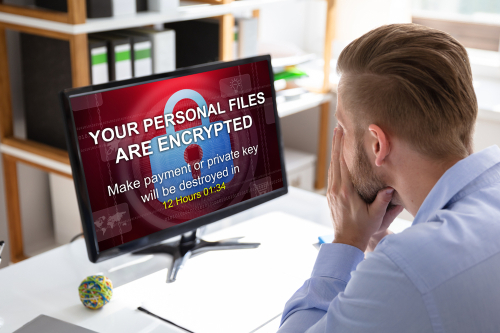 Cybersecurity experts estimate that there is a ransomware attack every 11 seconds. This makes it a challenge to individuals, businesses, and even governments.
 Metaverse has become a buzzword with much debate on its potential implications once it is fully realized. As far as businesses are concerned, the metaverse presents new opportunities and challenges, especially for marketing, branding and communication professionals.
 Certifications are not a new thing in the accounting industry. However, with new technology trends, accounting departments are faced with the challenge of taking courses in technology in order to carry out their tasks. Many businesses are ditching desktop-based accounting software and turning to cloud-based software. This requires that the users be well-versed with necessary skills to use the cloud accounting solution.
 Technology has had a major impact on the accounting industry. Gone are days when technology was a second thought and accountants preferred the traditional methods to which they were accustomed. As we start another year, technology is also progressing rapidly. The recent business disruption by the COVID-19 pandemic also has contributed to the acceleration in tech adoption. A major lesson learned from the events of the past two years is the need for digital transformation and prioritizing technologies that will help businesses remain relevant.